
Blog Posts
How weather conditions can affect your Two-Way Radio Performance …over…
How weather conditions can affect your Two-Way Radio Performance
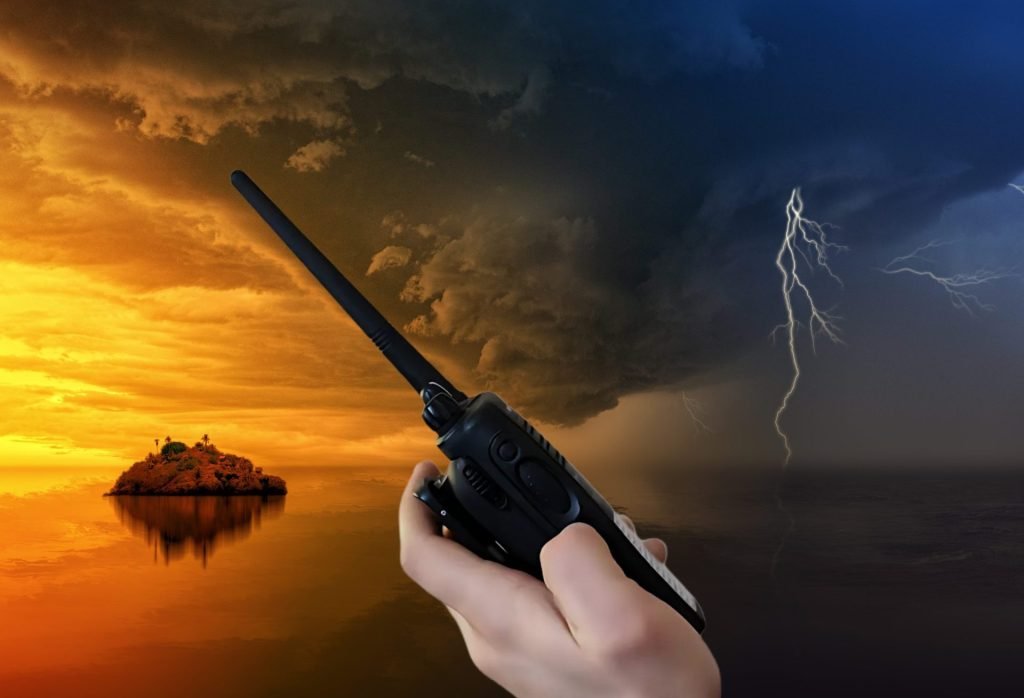
Two-way radios are a critical communication tool in industries like public safety, construction, transportation, and event management. But did you know that weather conditions can significantly affect your two-way radio’s performance?
In this blog post, we’ll break down how different weather elements—like rain, snow, fog, and temperature—interfere with radio signals and what you can do to maintain reliable communication.
Why Weather Matters in Two-Way Radio Communication
Two-way radios rely on radio waves to transmit and receive signals. These waves travel through the atmosphere, which is constantly influenced by weather. While radios are often more dependable than cell phones during extreme conditions, severe weather can still disrupt signal strength, clarity, and range.
Rain and Humidity
Signal Absorption and Reduced Range
Heavy rainfall can absorb or scatter radio waves, especially at higher frequencies like UHF. Water droplets in the air—whether from rain, fog, or high humidity—can weaken signal strength, resulting in:
- Reduced coverage range
- Static or poor audio clarity
- Dropped transmissions
Best Practice:
Use radios with a higher wattage or switch to lower frequencies (like VHF) for better penetration in wet conditions.
Snow and Ice
Equipment Interference and Signal Scattering
While dry snow has a minor effect on radio performance, wet or heavy snow can scatter signals similarly to rain. Ice buildup on antennas can also:
- Detune the antenna
- Reduce transmission efficiency
- Cause signal fading
Best Practice:
Use radios and accessories rated for cold weather. Keep antennas clear and inspect equipment regularly during winter operations.
Fog
Minor Signal Interference
Fog is essentially tiny suspended water droplets, and like humidity, it can slightly reduce signal strength—especially on UHF bands. However, the effect is usually minor unless combined with other atmospheric issues.
Best Practice:
Use radios with noise-cancelling features and test communications ahead of time in fog-prone areas.
Temperature Extremes
Battery Life and Hardware Stress
Cold weather doesn’t just affect signals—it affects hardware. Low temperatures can drain radio batteries faster, while extreme heat can damage internal components or cause overheating.
Best Practice:
Use radios with weather-resistant casings
Carry spare batteries in cold environments
Store radios out of direct sunlight in hot climates
Lightning and Thunderstorms
Electromagnetic Interference (EMI)
Lightning storms can create electromagnetic interference that disrupts radio signals, especially on analog systems. This can result in:
- Static or popping noises
- Dropped transmissions
- Complete signal blackouts in rare cases
Best Practice:
During storms, avoid unnecessary transmissions and keep communication brief. Ensure your radios have surge protection if they’re part of a base station.
Temperature Inversions & Atmospheric Conditions
Unexpected Range Boosts or Drops
Temperature inversions (when warm air traps cooler air near the ground) can cause unusual propagation, where your signal:
- Travels farther than intended
- Picks up interference from other systems
- Drops out in local areas due to “ducting” effects
Best Practice:
If experiencing strange signal behavior on clear days, check weather reports for atmospheric anomalies and adjust channel frequencies if needed.
Solar Activity & Ionospheric Disturbances
Disruption to HF Radio Signals
For radios using HF (high frequency) bands, solar flares or geomagnetic storms can disrupt long-distance communication. This typically affects aviation, marine, or amateur radio operators more than basic two-way radios.
How to Prepare Your Radio System for Harsh Weather
Here are five tips to keep your two-way radio communication strong during any weather:
Choose the Right Frequency – VHF is better for open outdoor areas; UHF is better for buildings.
- Use High-Quality Equipment – Invest in weather-resistant radios with IP ratings.
- Keep Batteries Warm – Cold can reduce battery life. Keep spares ready.
- Inspect Antennas Often – Ice and snow can weaken signal if they block or damage your antenna.
- Train Your Team – Ensure everyone knows how to use radios effectively in emergency situations.
Conclusion: Stay Connected Rain or Shine
Understanding how weather affects two-way radio communication helps you plan for the unexpected. From wet conditions to extreme cold or atmospheric interference, being prepared means your team stays safe, productive, and informed—no matter the forecast.
If you rely on two-way radios for business or safety, make sure your equipment is rated for the environments you work in. A well-maintained, weather-ready radio system will ensure your message is always heard.
Need guidance on your next two-way radio purchase? Head over to buyradiosusa.com for trusted expert advice, comprehensive product guides, and a curated selection of top-rated radios.
Have questions? Reach out anytime at sales@buyradiosusa.com — we’re always happy to assist!
