
Blog Posts
5 Mistakes to Avoid When Using Two-Way Radios…over…
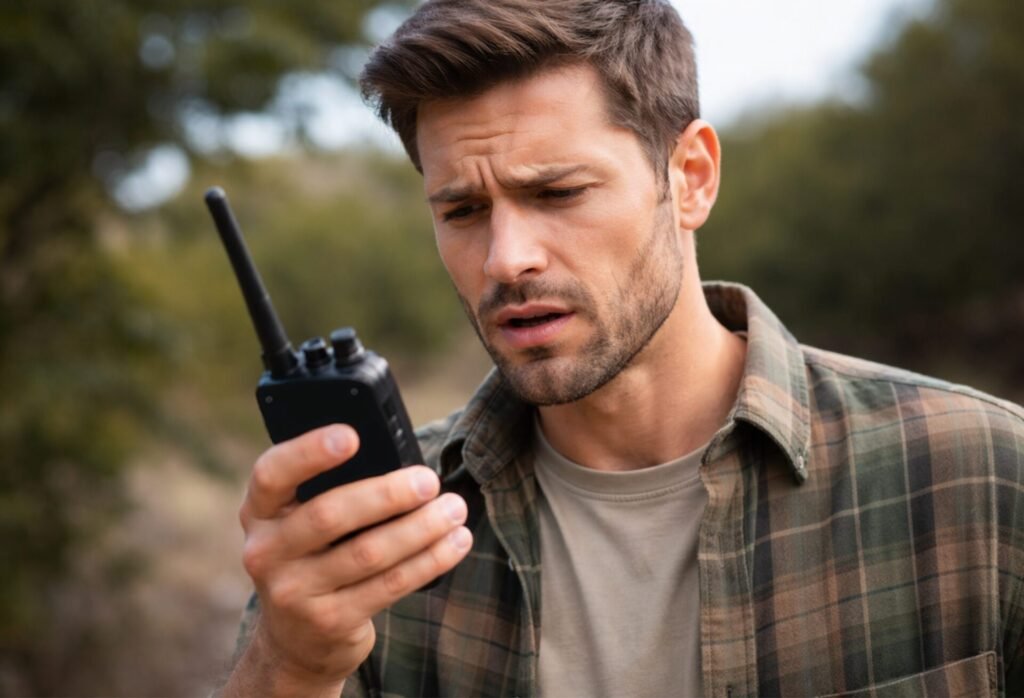
5 Mistakes to Avoid When Using Two-Way Radios
Two-way radios are one of the most reliable communication tools for businesses and teams. Whether you work in construction, security, hospitality, retail, warehouse operations, or event coordination, two-way radios help your team stay connected instantly—without relying on cell service.
However, even the best radios can fail to deliver results if they’re used incorrectly. Many businesses experience poor communication simply because of common mistakes that could easily be avoided.
Here are the 5 biggest mistakes to avoid when using two-way radios, and how to fix them.
Using the Wrong Channel or Frequency
One of the most common mistakes is selecting the wrong channel or operating on the wrong frequency. When this happens, your messages may not reach your team—or worse, you may interfere with another group using the same frequency.
What happens when you’re on the wrong channel:
- Your team can’t hear you
- Messages get missed
- You may hear other users
- Communication becomes confusing
✅ Tip: Always label your channels and train your team to use the correct channel for their department.
Talking Too Far Away from the Microphone
Two-way radios are designed for close-range voice pickup. If you hold the radio too far from your mouth, your message may sound weak, unclear, or distorted.
Common issues caused by this mistake:
- broken or muffled audio
- unclear instructions
- repeated transmissions
✅ Tip: Hold the radio about 2–3 inches from your mouth and speak clearly.
Not Waiting Before Speaking
Many users press the Push-to-Talk (PTT) button and speak immediately. The problem is, the radio needs a brief moment to connect and begin transmitting.
This often results in the first part of the message being cut off.
Example:
Instead of hearing:
“Meet at the back entrance now”
Your team hears:
“…back entrance now”
✅ Tip: Press the PTT button, wait 1 second, then speak.
Forgetting to Charge Batteries or Carrying Spares
A dead radio battery can shut down communication instantly, especially during long shifts or busy workdays. Many teams forget to charge radios overnight or fail to keep spare batteries available.
Why this is a major problem:
- loss of communication during emergencies
- delays in operations
- team members become unreachable
✅ Tip: Create a daily charging routine and keep spare batteries or multi-unit chargers ready.
Using the Wrong Accessories (or No Accessories at All)
Many businesses overlook the importance of two-way radio accessories. Without the right earpieces, microphones, or antennas, communication can become inconvenient and inefficient—especially in loud environments.
Common problems caused by poor accessories:
- hard-to-hear audio in noisy areas
- uncomfortable earpieces
- weak signal range
- damaged radios due to improper carrying
✅ Tip: Use quality accessories such as speaker microphones, surveillance earpieces, heavy-duty clips, and more… to improve comfort and performance.
CONCLUSION:
Two-way radios are powerful tools, but they only work well when used correctly. By avoiding these common mistakes, your team can improve communication, increase efficiency, and reduce operational issues.
Whether you’re managing a warehouse crew, security team, retail staff, or hospitality workers, proper radio use ensures everyone stays connected when it matters most.
Need Reliable Two-Way Radios and Accessories?
Choosing the right equipment—and using it the right way—can make all the difference. Explore professional-grade two-way radio and radio accessories at BuyRadiosUSA.com. Need expert guidance? Contact our team by emailing sales@buyradiosusa.com for personalized recommendations tailored to your industry and operational needs..
